
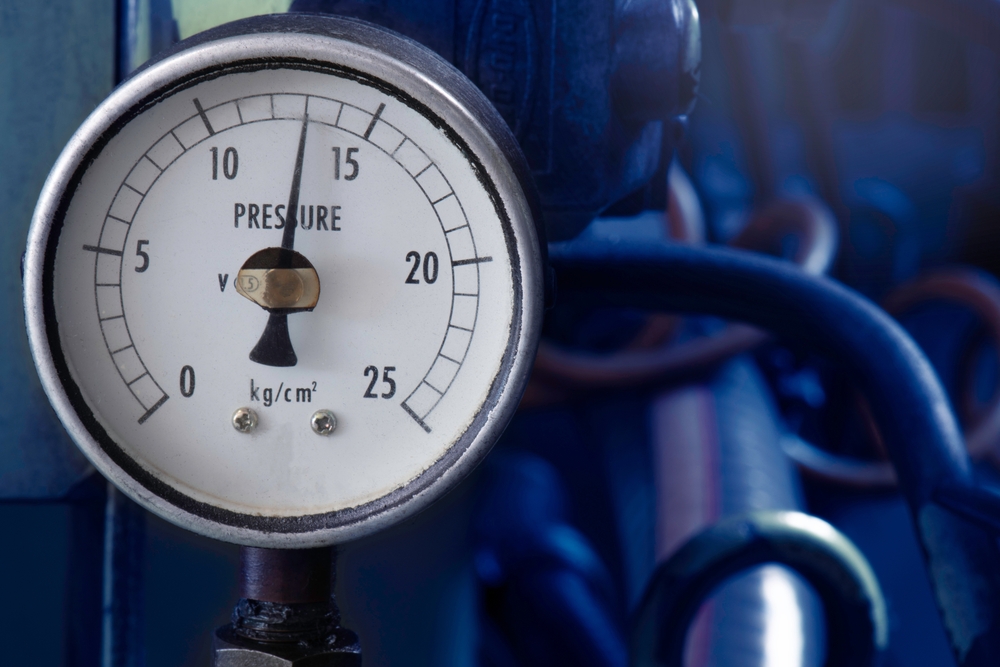
Construction projects, agricultural operations, manufacturing facilities, and municipal fleets throughout Sacramento, Rancho Cordova, and the surrounding region rely on hydraulic equipment every day. When a hydraulic system loses pressure or develops an internal issue, productivity can slow to a crawl or stop entirely. Routine hydraulic system pressure testing helps identify problems before they become expensive failures.
Quick Answer
Hydraulic system pressure testing is essential because it verifies whether a hydraulic system is operating within its designed pressure range. Regular hydraulic pressure testing helps detect leaks, worn components, pressure loss, faulty valves, inefficient pumps, and other issues that can reduce hydraulic system performance. As part of a preventative hydraulic maintenance program, pressure testing improves equipment reliability, minimizes unexpected downtime, and supports safer operation.
What Local Businesses Should Know
- Hydraulic system pressure testing helps identify developing problems before they lead to costly equipment failures.
- Sacramento’s long construction season and hot summer temperatures can place additional stress on hydraulic equipment.
- Agricultural operations throughout the Sacramento Valley depend on reliable hydraulic systems during critical planting and harvest periods.
- Fleet managers can reduce emergency repairs by incorporating hydraulic system diagnostics into scheduled maintenance.
- Preventative hydraulic maintenance often extends the service life of pumps, motors, cylinders, and valves.
Why Hydraulic System Pressure Testing Matters Locally
Hydraulic equipment works year round across Sacramento County in industries ranging from commercial construction and agriculture to manufacturing and public works. Equipment frequently operates in dusty conditions, high temperatures, and demanding workloads that gradually wear hydraulic components.
Construction companies working throughout Rancho Cordova, Elk Grove, Folsom, Roseville, Citrus Heights, and West Sacramento depend on excavators, loaders, forklifts, cranes, and other hydraulic machinery to stay on schedule. Unexpected hydraulic failures can delay projects, increase labor costs, and interrupt daily operations.
Hydraulic Power Sales serves businesses throughout the region by supplying quality hydraulic components, replacement parts, hoses, fittings, pumps, valves, and expert support. After this introduction, we focus on helping customers understand how routine hydraulic system pressure testing supports dependable equipment performance while providing the hydraulic parts and technical guidance needed to keep systems operating efficiently.
Local Field Observations
Routine hydraulic pressure testing consistently reveals developing issues before operators notice obvious performance problems. During preventative inspections, we often find pressure loss caused by worn pumps, damaged seals, partially restricted hoses, sticking valves, or internal leakage.
These problems may not immediately stop equipment from operating, but they frequently reduce efficiency and place additional strain on other hydraulic components.
How Pressure Testing Improves Hydraulic System Performance
Hydraulic system pressure testing provides a clear picture of how efficiently the entire hydraulic circuit is operating.
A properly performed pressure test can help identify:
- Internal pressure loss
- External hydraulic leaks
- Worn hydraulic pumps and motors
- Improper pressure relief valve settings
- Restricted hydraulic hoses or fittings
- Faulty control valves
- Excessive heat caused by inefficient operation
- Component wear before catastrophic failure
By identifying these issues early, maintenance teams can schedule repairs before equipment experiences unexpected downtime.
Warning Signs Your Equipment May Need Hydraulic Pressure Testing
Hydraulic equipment often provides warning signs before major failures occur. Scheduling hydraulic system diagnostics is recommended if you notice:
- Slower equipment movement than normal
- Weak lifting or reduced operating force
- Unusual hydraulic noise
- Hydraulic fluid leaks
- Excessive operating temperatures
- Erratic cylinder movement
- Frequent pressure relief valve activation
- Declining productivity despite normal engine performance
These symptoms often indicate underlying hydraulic problems that pressure testing can help isolate.
When to Call a Professional
Hydraulic system pressure testing should be performed whenever equipment shows signs of declining performance or during scheduled preventative maintenance.
Operators can safely monitor visible fluid leaks, hydraulic fluid levels, and general equipment performance. However, diagnosing hydraulic pressure problems requires specialized testing equipment and an understanding of system specifications.
Professional hydraulic system troubleshooting helps determine whether the issue involves pumps, motors, valves, cylinders, hoses, or other hydraulic components before unnecessary parts are replaced.
Common Causes of Hydraulic Pressure Loss
Several factors commonly contribute to hydraulic pressure problems throughout the Sacramento region.
Worn Hydraulic Pumps
Hydraulic pumps naturally wear over time. Internal wear reduces pressure output and decreases overall system efficiency.
Internal Component Leakage
Seals, valves, and cylinders can develop internal leakage that reduces available pressure without producing visible fluid leaks.
Damaged Hydraulic Hoses
Hydraulic hose repair becomes necessary when hoses deteriorate from age, abrasion, heat, or demanding operating conditions.
Contaminated Hydraulic Fluid
Dirty hydraulic fluid accelerates wear on pumps, motors, valves, and other precision components.
Incorrect Pressure Settings
Improperly adjusted relief valves or pressure control components can prevent the hydraulic system from reaching proper operating pressure.
Preventative Hydraulic Maintenance Tips
Routine maintenance significantly improves hydraulic equipment reliability.
Helpful maintenance practices include:
- Schedule hydraulic system pressure testing as part of regular maintenance.
- Inspect hydraulic hoses for wear, cracking, or abrasion.
- Replace hydraulic filters according to manufacturer recommendations.
- Monitor hydraulic fluid condition and cleanliness.
- Address small leaks before they become larger repairs.
- Replace worn hydraulic components before they fail.
- Maintain accurate maintenance records for each piece of equipment.
Preventative hydraulic maintenance helps reduce emergency repairs while extending equipment life.
What to Expect From Routine Hydraulic Pressure Testing
Hydraulic pressure testing provides valuable information about overall hydraulic system health.
Following pressure testing, maintenance personnel can better understand:
- Whether the hydraulic pump is producing proper pressure
- If relief valves are operating correctly
- Whether internal leakage exists
- Which components may require replacement
- Overall hydraulic system performance
- Potential maintenance priorities
This information allows businesses to make informed repair decisions while minimizing unnecessary downtime.
Common Mistakes That Lead to Hydraulic Failures
Ignoring Small Performance Changes
Minor decreases in performance often become major hydraulic failures if left unresolved.
Better approach: Schedule hydraulic system diagnostics when performance first changes.
Delaying Hydraulic Hose Repair
Damaged hoses can fail unexpectedly under pressure.
Better approach: Replace worn hoses before they rupture.
Replacing Parts Without Testing
Replacing components without proper hydraulic pressure testing can waste time and money.
Better approach: Perform hydraulic system troubleshooting to identify the actual cause.
Skipping Preventative Maintenance
Waiting until equipment fails often results in longer downtime and more expensive repairs.
Better approach: Follow a preventative hydraulic maintenance schedule.
Common Local Scenario
A contractor operating multiple pieces of hydraulic equipment throughout Sacramento notices that one excavator has become noticeably slower during lifting operations. Although the machine still functions, routine hydraulic system pressure testing identifies pressure loss caused by a worn hydraulic pump and minor internal leakage. Replacing the affected components before complete failure prevents extended downtime during an active construction project.
Related Hydraulic Services
Routine hydraulic pressure testing often works alongside several other maintenance services, including:
- Hydraulic system diagnostics
- Hydraulic equipment repair
- Hydraulic hose repair
- Hydraulic pumps and motors replacement
- Valve replacement
- Hydraulic fitting replacement
- Preventative hydraulic maintenance
- Hydraulic system troubleshooting
Having access to quality replacement components allows repairs to be completed more efficiently while reducing equipment downtime.
Comparing Your Options
| Option | Advantages | Considerations |
|---|---|---|
| Wait until failure | No immediate maintenance expense | Higher repair costs, increased downtime, possible secondary damage |
| Reactive repairs | Addresses obvious failures | Unexpected equipment interruptions remain likely |
| Routine hydraulic pressure testing | Detects developing problems early | Supports planned maintenance and improved equipment reliability |
| Complete preventative maintenance program | Maximizes hydraulic system performance and equipment life | Requires scheduled inspections and ongoing maintenance planning |
Service Areas
We proudly support businesses throughout Sacramento, Rancho Cordova, Elk Grove, Folsom, Roseville, Citrus Heights, Davis, and surrounding communities across Sacramento County and the greater Sacramento Valley. Our extensive inventory helps customers access hydraulic components quickly to minimize downtime.
The Cost of Ignoring Hydraulic Pressure Problems
Small hydraulic issues rarely remain small for long. Pressure loss, internal leakage, and worn components gradually reduce efficiency while placing additional stress on pumps, motors, cylinders, and valves.
Ignoring these problems can lead to more extensive hydraulic equipment repair, longer equipment downtime, higher operating costs, and interrupted business operations.
Frequently Asked Questions
Why is hydraulic system pressure testing important for equipment in Sacramento?
Yes. Hydraulic system pressure testing helps Sacramento businesses identify pressure loss, worn components, and developing hydraulic problems before equipment experiences major failures or costly downtime.
How often should hydraulic pressure testing be performed?
The recommended schedule depends on equipment usage, operating conditions, and manufacturer guidelines. High-use construction, agricultural, and industrial equipment generally benefits from regular testing as part of preventative hydraulic maintenance.
Can hydraulic pressure testing identify failing hydraulic pumps and motors?
Yes. Hydraulic system diagnostics frequently reveal pressure loss caused by worn hydraulic pumps and motors, allowing repairs to be planned before complete component failure.
Does hydraulic hose damage affect hydraulic system performance?
Yes. Damaged hoses can restrict flow, leak hydraulic fluid, or fail under pressure. Routine inspections and hydraulic hose repair help maintain reliable system performance.
Why is preventative hydraulic maintenance valuable for Rancho Cordova businesses?
Preventative hydraulic maintenance helps Rancho Cordova contractors, fleet managers, and industrial facilities reduce unexpected downtime while improving equipment reliability and extending component life.
Where can businesses find hydraulic repair in Sacramento, CA?
Businesses seeking hydraulic repair in Sacramento, CA, can benefit from working with experienced hydraulic parts suppliers that provide hydraulic system diagnostics, replacement components, hoses, fittings, pumps, valves, and knowledgeable technical support.
What industries benefit most from hydraulic system pressure testing?
Construction, agriculture, manufacturing, transportation, municipal public works, and industrial operations all benefit because reliable hydraulic equipment is essential to maintaining productivity.
Why choose Hydraulic Power Sales for hydraulic components and support?
We help businesses throughout Sacramento, Rancho Cordova, and nearby communities find the right hydraulic parts, replacement components, hoses, fittings, pumps, valves, and expert guidance to support dependable hydraulic system performance while minimizing equipment downtime.
Keep Your Hydraulic Equipment Operating at Its Best
Reliable hydraulic equipment starts with proactive maintenance and accurate diagnostics. Regular hydraulic system pressure testing helps identify developing problems before they interrupt your operation, keeping your equipment safer, more efficient, and ready for demanding workloads.
Get Expert Hydraulic Support in the Sacramento Region
Whether you need hydraulic system pressure testing, hydraulic equipment maintenance, hydraulic repair in Sacramento, CA, hydraulic hose repair, or quality replacement components, we’re here to help you keep your equipment running reliably.