
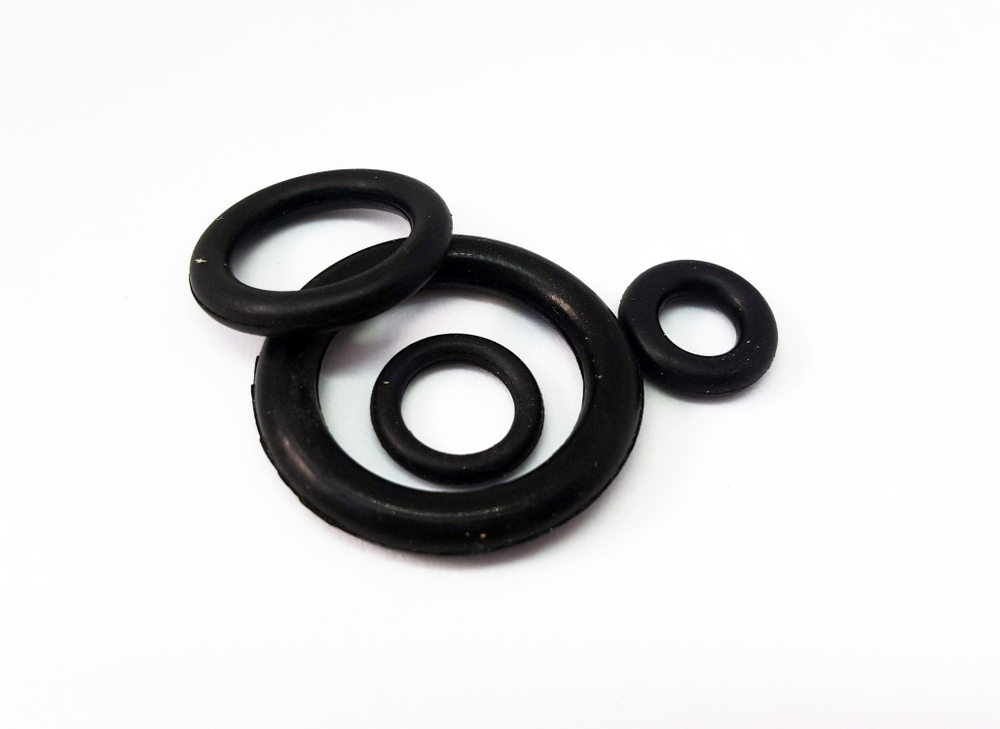
A hydraulic system can contain pumps, cylinders, valves, hoses, and other substantial components, yet one of the smallest parts in the assembly can bring equipment to a stop. For Sacramento-area shops, contractors, fleet operators, agricultural operations, and industrial facilities, a worn seal or damaged O-ring can mean leaks, pressure loss, contamination, and unplanned downtime.
Hydraulic seals and O-rings create barriers that keep hydraulic fluid where it belongs while helping the system maintain pressure. When they wear out, become damaged, or are replaced with the wrong material or size, the effects can spread through the entire hydraulic system. Catching sealing problems early can help equipment owners address a relatively small component before it contributes to a much larger repair.
What local equipment owners should know
-
Hydraulic seals and O-rings can fail because of wear, heat, contamination, incorrect installation, excessive pressure, or incompatible materials.
-
Sacramento’s long, hot summers can expose equipment and hydraulic components to sustained heat, particularly on machinery working outdoors.
-
Equipment used around Rancho Cordova, West Sacramento, Elk Grove, and other parts of the Sacramento Valley may operate in dusty industrial, construction, agricultural, or transportation environments where contamination control matters.
-
A visible hydraulic leak is only one possible warning sign. Reduced power, inconsistent movement, and pressure loss can also point to sealing problems.
-
Correct replacement depends on more than finding a part that looks similar. Dimensions, material, operating pressure, temperature, and hydraulic fluid compatibility all matter.
Why Do Hydraulic Seals and O-Rings Matter So Much?
Hydraulic seals and O-rings matter because they help contain fluid, separate pressure zones, prevent outside contaminants from entering critical areas, and allow hydraulic components to operate as designed. A seal that costs far less than a major component can still affect the performance of an entire machine when it fails.
In Sacramento, hydraulic equipment supports everything from construction and fleet maintenance to material handling, manufacturing, agriculture, and municipal operations. West Sacramento also has a significant manufacturing and logistics presence, while Rancho Cordova and surrounding commercial corridors support numerous equipment-related and industrial businesses.
Hydraulic Power Sales serves customers in the Sacramento area who need hydraulic components and support. We understand that when a machine is leaking or losing hydraulic performance, the real concern is often not the size of the failed part but how quickly the equipment can return to reliable operation.
What Does Sacramento’s Climate Mean for Hydraulic Seals?
Sacramento’s climate can increase the importance of proper seal selection because hydraulic equipment frequently operates through hot, dry summers followed by a cooler, wetter winter season. The National Weather Service describes summers in the southern Sacramento Valley as warm and dry, with most precipitation concentrated in the winter months.
Heat affects both hydraulic fluid and elastomer components. Equipment parked or operated outdoors can also experience temperature changes between daytime operation and overnight shutdown.
The local environment can introduce another concern: dust and debris. Construction equipment operating near growing communities such as Natomas, Elk Grove, Rancho Cordova, or along regional transportation corridors may encounter airborne dirt that should be kept away from hydraulic components. Wipers, seals, filtration, and routine cleaning all play a role in contamination control.
What Problems Can a Failed Hydraulic Seal Cause?
A failed hydraulic seal can cause much more than an oily surface because leakage or internal bypass can reduce pressure, compromise performance, introduce contamination, and contribute to wear elsewhere in the hydraulic circuit.
For a Sacramento business that depends on loaders, lifts, compactors, presses, service equipment, or other hydraulically powered machinery, those problems can translate into slower work or equipment being removed from service.
External leakage can create messy work areas and require frequent fluid replacement. Internal leakage may be less visible but can cause cylinders or other components to perform poorly. Continued operation with low fluid or contamination can place additional stress on expensive hydraulic parts.
What Are the Warning Signs of a Bad Hydraulic Seal or O-Ring?
Bad hydraulic seals and O-rings often reveal themselves through leakage, declining performance, or changes in the way equipment operates. Sacramento equipment owners should investigate recurring hydraulic symptoms instead of repeatedly adding fluid without determining why the system is losing it.
Common warning signs include:
-
Hydraulic oil collecting around a cylinder, fitting, valve, pump, or other component.
-
A cylinder that drifts, creeps, or fails to hold its position.
-
Slower or weaker hydraulic movement than normal.
-
Repeated loss of hydraulic fluid without an obvious hose failure.
-
Seals that appear cracked, flattened, hardened, swollen, cut, or distorted.
-
Jerky or inconsistent actuator movement.
-
Hydraulic components operating differently after reaching normal working temperature.
-
A replacement O-ring that begins leaking shortly after installation.
Some of these symptoms can have causes unrelated to seals, so proper inspection is important before replacing parts.
When Should You Get Professional Hydraulic Help?
Professional hydraulic help is appropriate when a leak cannot be traced confidently, a seal repeatedly fails, equipment loses pressure, or correct replacement specifications are uncertain. Identifying the underlying cause can prevent a new seal from being damaged by the same problem that ruined the previous one.
Basic visual inspections are useful for local equipment owners. You can look for fluid, damaged hoses, loose fittings, contamination, or obvious deterioration while following the equipment manufacturer’s safety procedures.
Hydraulic systems can contain fluid under substantial pressure, however. Do not use your hands to search for a pressurized leak, and do not disassemble pressurized components without the appropriate training and procedures.
What Commonly Causes Hydraulic Seal Failure in the Sacramento Area?
The most common hydraulic seal failures involve heat, contamination, wear, installation problems, pressure conditions, or incorrect seal selection, and several of those factors can be especially relevant for equipment working throughout the Sacramento Valley.
Heat and operating temperature
Summer temperatures can make heat management particularly important for outdoor machinery. Excessive operating temperature may accelerate deterioration of some sealing materials and affect hydraulic fluid performance.
Dirt and contamination
Dust from construction sites, yards, agricultural areas, and outdoor equipment storage can become a problem if contaminants enter the hydraulic system or damage exposed sealing surfaces.
Normal wear
Seals are wear components. Repeated cylinder movement, operating hours, friction, and component condition can eventually reduce their effectiveness.
Incorrect installation
A seal can be cut, twisted, pinched, stretched, or otherwise damaged during installation. Even a new O-ring may leak quickly if it is installed incorrectly.
Wrong material or dimensions
Two seals that appear similar are not necessarily interchangeable. Cross-section, diameter, profile, material, hardness, temperature limits, pressure requirements, and fluid compatibility can all affect suitability.
Damaged mating surfaces
A new seal may not solve a leak if a rod, bore, groove, or other sealing surface has scoring, corrosion, excessive wear, or physical damage.
How Can Sacramento Equipment Owners Prevent Seal Problems?
Sacramento equipment owners can reduce avoidable seal problems by keeping hydraulic systems clean, watching operating temperatures, inspecting components routinely, and using the correct replacement seals instead of choosing parts by appearance alone.
Check equipment more frequently during periods of heavy use, especially when machines are working outdoors through the hotter months. Clean dirt from exposed cylinder areas so damage and leakage are easier to spot. Watch hydraulic fluid levels and investigate unexpected changes.
Keep replacement seals protected from dirt, sunlight, chemicals, and unnecessary handling before installation. When replacing an O-ring or seal, identify the correct specifications whenever possible rather than relying solely on a visual match.
DIY maintenance should stop when safe depressurization, component disassembly, seal identification, or troubleshooting exceeds the equipment owner’s experience.
What Results Should You Expect After Correcting a Seal Problem?
Correcting a seal problem should restore the sealing function that the damaged component was designed to provide, although the final result depends on whether other hydraulic components have also been affected.
If the seal itself was the primary problem and the mating surfaces remain serviceable, the repair may resolve external leakage or internal bypass associated with that seal. If contamination, excessive heat, component wear, or damaged surfaces caused the failure, those conditions also need attention.
For Sacramento operations, the practical goal is reliable hydraulic performance rather than simply stopping the visible drip.
What Mistakes Make Hydraulic Seal Problems Worse?
The biggest mistakes are treating every leak as a simple O-ring replacement, selecting seals by appearance, and continuing to operate equipment without investigating recurring symptoms.
Mistake: Replacing a seal without finding the cause.
Consequence: The new component may fail for the same reason.
Better approach: Inspect for heat, contamination, excessive pressure, installation damage, and worn sealing surfaces.
Mistake: Assuming any similar-looking O-ring will work.
Consequence: An incorrect size or material may leak, swell, deteriorate, or fit improperly.
Better approach: Match the replacement to the application specifications.
Mistake: Ignoring a small leak during a busy Sacramento work season.
Consequence: Fluid loss and contamination may continue while equipment reliability declines.
Better approach: Inspect the problem early and determine whether repair is needed before the leak grows.
What Is a Common Sacramento Hydraulic Seal Scenario?
A common Sacramento hydraulic seal scenario is a piece of frequently used outdoor equipment developing a small cylinder leak during warm-weather operation. The operator notices a light film of hydraulic oil on the rod or around the gland but the machine continues working.
As use continues, the leak becomes more noticeable. Simply replacing a seal without examining the rod condition, operating temperature, contamination, and correct seal specifications could result in another failure.
This is a common scenario rather than a specific customer case study. The important lesson is that the failed seal should be considered alongside the condition of the component and operating environment.
What Hydraulic Solutions Can Address Seal and O-Ring Problems?
Hydraulic seal problems can be addressed by correctly identifying the required sealing component and determining whether another condition in the hydraulic system contributed to the failure.
Depending on the equipment, the solution may involve O-rings, rod or piston seals, wipers, backup rings, or other hydraulic sealing components. Correct identification matters because hydraulic applications vary significantly in pressure, temperature, motion, fluid, and component design.
For local equipment owners who are unsure what they need, bringing available part information, equipment specifications, or the old component can help narrow the search.
Should You Replace a Hydraulic Seal Yourself or Get Help?
DIY replacement can make sense when the correct part is known, the equipment can be safely depressurized, and the person performing the work understands the component and installation procedure. Professional assistance is the better choice when identification, diagnosis, safety, or repeated failure is a concern.
A straightforward O-ring replacement and a cylinder sealing problem are not necessarily equivalent tasks. If you are unsure why the seal failed, addressing the cause before installing another part can save time and reduce repeat repairs.
Where Do We Serve Around Sacramento?
We support hydraulic needs in Sacramento and surrounding communities throughout the regional service area, including Rancho Cordova, West Sacramento, Elk Grove, and nearby parts of Sacramento County.
That local reach helps equipment owners, shops, contractors, and commercial operations find hydraulic solutions without treating every component problem like a national sourcing exercise.
What Can Happen If You Ignore a Hydraulic Leak?
Ignoring a hydraulic leak can allow fluid loss, contamination, reduced performance, and additional component wear to continue, potentially turning a manageable sealing issue into a more disruptive equipment problem.
Downtime matters for Sacramento contractors and businesses working around tight project schedules, active warehouses, fleet operations, or seasonal workloads. Addressing an early warning sign does not guarantee that a larger repair can always be avoided, but it gives you a better chance to understand the problem before conditions worsen.
Frequently Asked Questions About Hydraulic Seals and O-Rings
How do I know which hydraulic O-ring I need in Sacramento?
The correct hydraulic O-ring depends on its dimensions, material, hardness, operating temperature, pressure, fluid compatibility, and application. A similar-looking ring is not enough to confirm a match. Sacramento equipment owners should use manufacturer information, component specifications, or accurate identification of the existing part whenever possible.
Can Sacramento summer heat damage hydraulic seals?
High operating temperatures can accelerate deterioration in some hydraulic sealing materials, so heat deserves attention during Sacramento’s hot summer season. The equipment’s actual hydraulic temperature matters more than outdoor temperature alone. Repeated overheating should be investigated rather than treated simply as a seal problem.
Why does my new O-ring keep leaking?
A new O-ring may keep leaking because the size or material is wrong, the ring was damaged during installation, the sealing surface is worn, the groove is damaged, or another system condition is causing repeated failure. Replacing the same component again without checking the cause may not solve the problem.
Are hydraulic seals affected by dust around Sacramento construction sites?
Yes, contamination can contribute to hydraulic wear when dirt reaches vulnerable components or enters the fluid system. Equipment used around Sacramento construction sites, agricultural areas, and outdoor yards should be kept clean and inspected regularly, with particular attention to cylinder rods, wipers, hydraulic fluid, and filtration.
Is a small hydraulic leak safe to ignore?
No, a small hydraulic leak should be inspected even if the equipment still operates normally. The leak may worsen, hydraulic fluid may continue to escape, and the underlying issue may affect other components. Never use your bare hand to locate a suspected high-pressure hydraulic leak.
How often should hydraulic seals be inspected on Sacramento equipment?
Hydraulic sealing areas should be included in routine equipment inspections, with frequency based on manufacturer recommendations, operating hours, duty cycle, environment, and equipment condition. Machinery working heavily through Sacramento’s warm, dusty months may benefit from especially consistent visual checks for leaks, contamination, rod damage, and abnormal operation.
Does every cylinder leak mean the entire cylinder needs replacement?
No, a leaking cylinder does not automatically require complete replacement. A seal may be responsible, but the rod, bore, gland, piston, or other components can also be worn or damaged. Proper inspection is needed before deciding whether sealing work, component repair, or replacement is the appropriate solution.
Where can businesses near Rancho Cordova get help with hydraulic seals?
Businesses in Rancho Cordova and the greater Sacramento area can contact us for help with hydraulic seals, O-rings, and related hydraulic component needs. Providing equipment information, measurements, specifications, or the existing component can make accurate identification easier.
Keep Small Hydraulic Problems From Becoming Bigger Ones
Hydraulic seals and O-rings may be small, but their job is fundamental to dependable hydraulic operation. For equipment owners across the Sacramento area, watching for leaks, contamination, overheating, and declining performance can help catch problems before they interfere with the work the machine needs to perform.
Keep Your Sacramento Hydraulic Equipment Working Reliably
Get the right sealing solution for the application instead of guessing at a replacement component.