

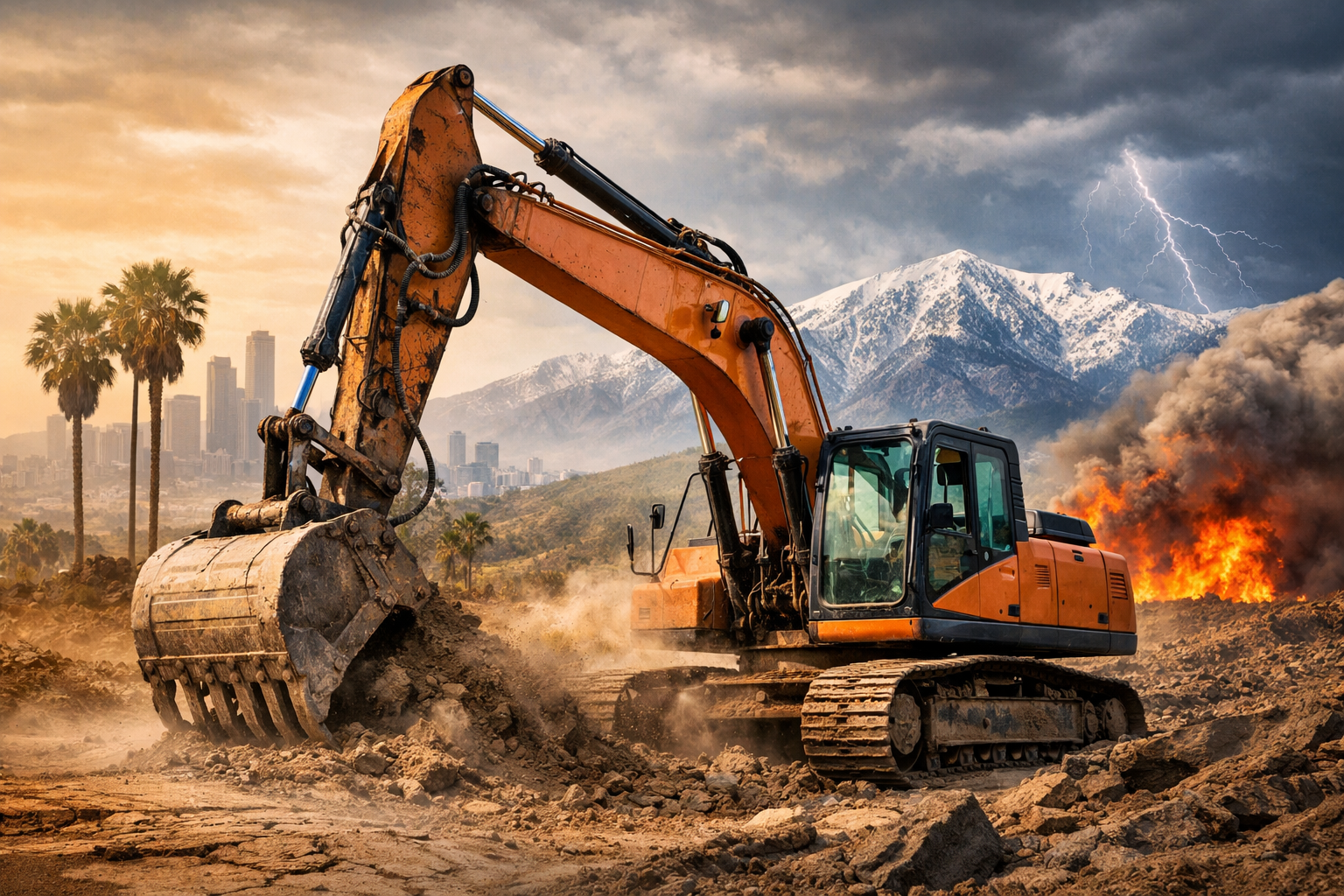
California, a state renowned for its diverse geography and climate, presents unique challenges for machinery used in construction, agriculture, and industrial applications. Hydraulic equipment, which relies heavily on the integrity of its mechanical and fluid components, is especially sensitive to environmental variables. Understanding how California’s environmental conditions affect hydraulic equipment performance is vital for improving longevity, reliability, and cost-efficiency in operations across industries.
The Role of Temperature Extremes in Hydraulic System Performance
One of the most defining characteristics of California’s environment is its wide-ranging temperatures. From the scorching deserts of the south to the cooler, temperate climates of the coastal and northern regions, temperature fluctuations can significantly affect hydraulic system performance.
High temperatures, commonly experienced during California’s long summer months, can cause hydraulic fluid to thin, reducing its lubricating properties. This leads to increased wear on internal components like pumps, motors, and valves. Excessive heat also accelerates oxidation, which degrades the oil and forms sludge or varnish within the system. These byproducts can clog filters and orifices, impairing efficiency and leading to unplanned downtime.
Conversely, colder temperatures, especially in northern California and mountainous areas, can cause hydraulic fluids to thicken. This increased viscosity results in slower system response, higher pressure requirements, and strain on the hydraulic pump. If not properly managed with temperature-appropriate fluids and warm-up procedures, the equipment can suffer from premature component failure.
The selection of hydraulic fluid in California must be made with careful consideration of local temperature norms. Multi-grade fluids or those with stable viscosity across a broad temperature range are often recommended. Equipment operators should also pay close attention to fluid condition and adhere to maintenance schedules that account for seasonal temperature shifts.
The Impact of Dust and Airborne Particulates
California’s arid regions, particularly in the Central Valley and desert areas, are prone to high levels of dust and airborne particulates. These environmental conditions create serious contamination risks for hydraulic systems, especially in outdoor or mobile applications like agriculture, mining, and construction.
When dust enters a hydraulic system through seals, breathers, or maintenance ports, it becomes a major abrasive contaminant. Even microscopic particles can cause wear in close-tolerance components such as control valves and piston cylinders. Over time, this leads to internal scoring, increased leakage, reduced efficiency, and ultimately system failure.
Moreover, airborne particulates accelerate the degradation of hydraulic fluid. Contaminated oil loses its protective qualities and promotes corrosion and friction among moving parts. This is particularly concerning in California’s dry summers, where persistent winds can carry large volumes of dust across job sites.
Preventative measures such as high-quality filtration, sealed hydraulic components, and regular oil sampling are crucial. Many California-based operators also invest in specialized breathers and filtration systems that capture dust before it can enter the reservoir. Proactive maintenance becomes not just a recommendation but a necessity under these environmental conditions.
Seismic Activity and Its Effects on Hydraulic Infrastructure
California is one of the most seismically active regions in the United States. While the direct impact of earthquakes on mobile hydraulic equipment is usually minimal, fixed hydraulic infrastructure such as lifting systems, water control gates, and industrial presses can be significantly affected.
Seismic vibrations and ground movements can disrupt alignment, damage foundations, and compromise anchoring systems. In hydraulic systems, this may result in bent piping, ruptured hoses, or misaligned actuators. Even minor displacements can affect the distribution of hydraulic force, leading to uneven loading and erratic behavior in automated systems.
To safeguard hydraulic infrastructure in California, engineers often incorporate seismic design principles. These may include flexible couplings, anchored skid mounts, and damping systems designed to absorb vibration. Additionally, post-earthquake inspections are essential to detect hidden damages and restore safe operation.
While seismic events are relatively infrequent compared to daily weather challenges, their potential impact on hydraulic systems is profound. Planning for seismic resilience is a critical aspect of hydraulic equipment performance in California’s built environment.
The Influence of Coastal and Marine Environments
California’s extensive coastline exposes hydraulic equipment to salt-laden air and marine moisture, both of which can have corrosive effects on metals and sensitive components. In port operations, shipyards, and coastal infrastructure projects, hydraulic machinery is often required to perform in high-humidity environments where corrosion control becomes a primary concern.
Salt air accelerates the oxidation of ferrous metals, leading to rust and pitting on hydraulic cylinders, fittings, and connectors. This compromises the structural integrity of components and can lead to leaks or complete mechanical failure. Furthermore, moisture ingress into hydraulic systems can cause oil emulsification, reducing lubrication quality and promoting the growth of microbial contaminants.
To counteract these effects, hydraulic systems in coastal California are often constructed with corrosion-resistant materials such as stainless steel or are treated with protective coatings. Equipment enclosures, regular washing, and dehumidification systems can also help limit exposure. Routine fluid analysis should be performed more frequently in marine-adjacent operations to detect early signs of water contamination or oil degradation.
California’s coastal climate requires that hydraulic systems undergo more stringent maintenance protocols and utilize materials designed to resist the dual threats of moisture and salt. Failure to do so can drastically reduce operational life and increase service costs.
Wildfires and Their Environmental Consequences
Wildfires have become a recurring threat in California, particularly during the late summer and fall seasons. Aside from the immediate physical damage caused by fire, the environmental aftermath of wildfires can have lasting effects on hydraulic equipment performance.
Smoke, soot, and ash are major airborne pollutants that can infiltrate sensitive hydraulic components. These fine particulates are similar in effect to dust but often contain corrosive or chemically reactive substances that degrade rubber seals, hoses, and internal finishes. Equipment used in wildfire response or in affected regions must be carefully inspected for contamination and undergo deep cleaning before returning to regular operation.
Additionally, the intense heat from nearby fires can damage hydraulic hoses, plastic reservoirs, and electronic control systems. Even if equipment is not directly in the path of fire, radiant heat can weaken structural materials and accelerate wear.
In wildfire-prone areas, hydraulic systems should be equipped with fire-resistant hydraulic fluid, high-temperature hoses, and protective shielding. Equipment storage should also prioritize defensible space and incorporate fire-suppression strategies.
Wildfires underscore the broader environmental impact on hydraulic systems, as recovery from such events often involves increased service, part replacement, and stricter preventive maintenance protocols to ensure ongoing equipment reliability.
Conclusion
Hydraulic equipment performance in California is shaped by a range of environmental conditions that vary dramatically across the state. From temperature extremes and pervasive dust to seismic activity, coastal corrosion, and wildfire contamination, the operational landscape demands a tailored approach to equipment design, maintenance, and fluid selection.
Understanding the environmental impact on hydraulic systems is not just an engineering consideration but a business imperative. Operators and maintenance teams must proactively adapt their practices to the challenges posed by California’s unique environment to ensure consistent, efficient, and safe hydraulic equipment operation.
By integrating regional climate awareness into hydraulic system planning and upkeep, businesses can improve performance, reduce downtime, and extend the service life of critical machinery. California’s environmental conditions may be complex, but with the right strategies, they can be successfully managed to maintain hydraulic efficiency and reliability.
Got Questions About Industrial Machinery? Let Us Help!
Hydraulic Power Sales, Inc. is local manufacture, distributor, and service provider of hydraulics equipment based in Cordova, California. Since 1985, we have been providing hydraulic repair services, hose assemblies, and sales to businesses throughout northern California. We manufacture hydraulic engine systems and hydraulic cylinders while supplying other hydraulic equipment. We want to be your one source for all of your hydraulic/pneumatic needs. Give us a call today!