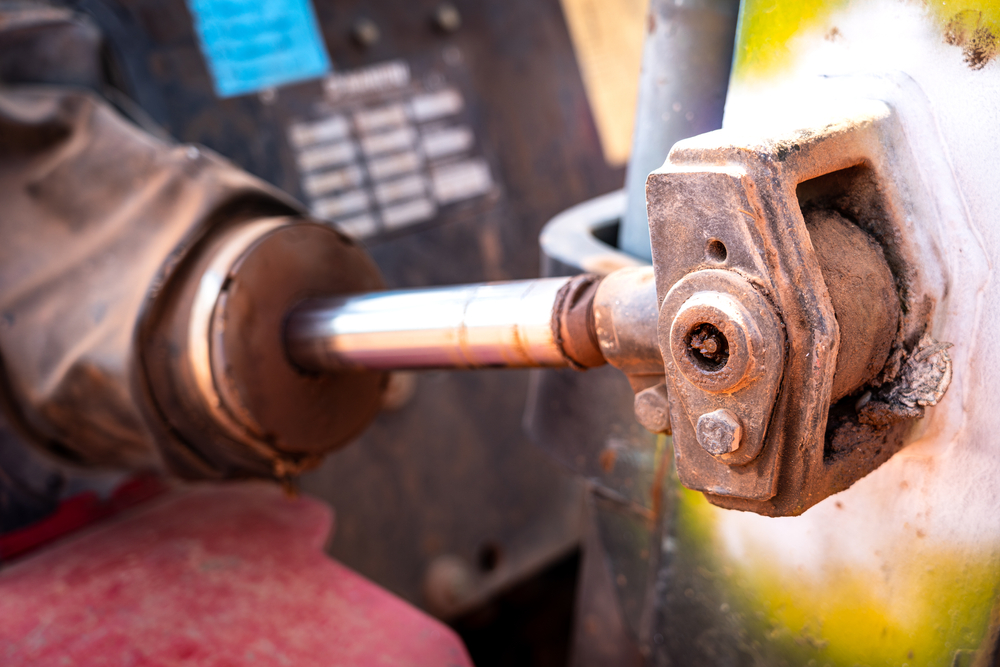
Your construction crew is halfway through a project when an excavator’s hydraulic cylinder starts leaking. The equipment still moves, but the cylinder isn’t operating as smoothly as it should, and you’re concerned that continuing to use it could create a bigger problem. Now you’re facing a decision that affects both your maintenance budget and your project schedule. Should you repair the damaged cylinder or invest in a replacement?
Choosing between hydraulic cylinder repair vs. replacement depends on the extent of the damage, the cylinder’s condition, repair costs, and the availability of compatible replacement components. Minor seal problems and certain surface defects may be repairable, while significant structural damage or extensive internal wear can make replacement more appropriate. A professional evaluation helps determine which option offers the best balance of cost, reliability, and downtime.
For equipment owners and maintenance supervisors throughout Sacramento, CA, several factors deserve attention:
-
Hydraulic cylinder leaks don’t automatically mean the entire cylinder needs replacement.
-
Bent rods, damaged barrels, and cracked mounting components can make repairs more complicated and expensive.
-
Sacramento construction and agricultural businesses should consider equipment downtime alongside the quoted repair price.
-
Replacement cylinders must match the equipment’s pressure ratings, dimensions, mounting configuration, and operating requirements.
-
Qualified hydraulic technicians should evaluate significant damage before equipment returns to service.
At Hydraulic Power Sales, we’ve supplied hydraulic components and fluid power solutions to businesses throughout California since 1985. Based in Rancho Cordova, we provide standard and custom hydraulic cylinders, cylinder rebuilding, replacement components, and technical support for industrial and mobile applications. We understand that equipment owners need practical solutions that account for reliability, compatibility, and operating costs. Whether you’re maintaining heavy construction machinery or industrial equipment, we’re here to help you evaluate your options.
When Is Hydraulic Cylinder Repair the Better Choice?
Hydraulic cylinder repair is often the better choice when the cylinder’s main structural components remain serviceable and the damage can be corrected without compromising its operating requirements. Seal replacement, certain rod repairs, and other targeted rebuilding work may restore functionality at a lower cost than purchasing a completely new assembly.
Minor Seal Failures May Be Repairable
Hydraulic cylinders rely on seals to prevent fluid leakage and maintain appropriate internal pressure. Over time, these seals may deteriorate because of normal wear, operating conditions, or other problems within the system.
A leaking seal doesn’t necessarily indicate that the cylinder barrel or piston rod has suffered extensive damage. If the surrounding components remain in suitable condition, replacing the affected seals may be an appropriate repair.
However, it’s important to determine why the original seal failed. Installing new seals without correcting rod damage, misalignment, or another underlying problem may result in recurring leaks.
Some Rod and Barrel Damage Can Be Corrected
Certain piston rod defects can be addressed through professional machining, refinishing, or component replacement. Minor barrel wear may also be repairable when the finished dimensions remain within acceptable specifications.
The feasibility of these procedures depends on the cylinder’s construction and the extent of the damage. A qualified technician must determine whether the repaired components can safely meet the equipment’s operating requirements.
At our Rancho Cordova facility, we offer hydraulic cylinder rebuilding services that include resealing and machining capabilities for rods and barrels. We can evaluate the condition of a cylinder and discuss appropriate repair options based on its specifications.
Repairing Custom Cylinders May Be Practical
Some industrial machines use custom hydraulic cylinders that aren’t readily available as standard replacement products. In these situations, repairing the existing assembly may be worth considering because obtaining a new component could require specialized manufacturing.
For manufacturers in Sacramento, West Sacramento, and surrounding communities, this can be especially important when equipment depends on unusual mounting arrangements or cylinder dimensions.
However, a custom cylinder shouldn’t be repaired solely because replacement is inconvenient. The existing assembly must still be structurally suitable for the proposed work.
When Should You Replace a Damaged Hydraulic Cylinder?
Hydraulic cylinder replacement is generally worth considering when structural damage, extensive wear, or repeated failures make rebuilding impractical or economically unattractive. Replacement may also be preferable when a compatible new cylinder is available at a reasonable cost and can be installed with less overall disruption than a complicated repair.
Severe Rod Damage Can Affect Cylinder Performance
The piston rod is responsible for transferring force between the cylinder and the connected equipment. Its surface condition and straightness are important because the rod moves through seals and supporting components during operation.
Deep scoring, significant corrosion, or bending can interfere with proper sealing and alignment. In some cases, replacing the rod may be possible, but extensive damage can make a complete cylinder replacement more practical.
For Sacramento-area construction equipment, ignoring hydraulic cylinder rod damage may lead to additional wear and unexpected equipment failure.
Structural Damage Requires Careful Evaluation
Cylinder barrels, mounting points, and other structural components must withstand the forces generated during operation. Cracks, deformation, damaged mounting connections, and severe internal scoring can affect the assembly’s integrity.
These problems may require specialized engineering evaluation before any repair is attempted. Depending on the findings, replacement may be the safest and most practical option.
At Hydraulic Power Sales, we supply standard and custom hydraulic cylinders for industrial and mobile applications. Our capabilities also include manufacturing custom cylinders with specifications tailored to particular equipment requirements.
Repeated Repairs May Become Less Economical
A cylinder that repeatedly develops leaks or performance problems may have an underlying condition that hasn’t been resolved. Although individual repairs may appear affordable, repeated labor and equipment downtime can increase the overall expense.
For fleet managers overseeing several pieces of machinery, maintenance records can help identify whether a particular cylinder has become unreliable.
Replacement may offer better long-term value when the cumulative cost of repairs approaches or exceeds the expense of obtaining a suitable new assembly. However, the decision should be based on actual component condition and project-specific estimates.
What Are the Most Common Signs of a Damaged Hydraulic Cylinder?
Common signs of a damaged hydraulic cylinder include visible fluid leakage, rod scoring, unusual movement, reduced holding performance, and damage around mounting components. These symptoms may indicate seal deterioration, internal wear, misalignment, or structural problems that require professional inspection.
Warning Signs Equipment Operators Should Recognize
Hydraulic cylinder problems may develop gradually or appear after an unexpected equipment event. Recognizing changes early can help maintenance teams evaluate the issue before additional damage occurs.
Watch for the following conditions:
-
Visible hydraulic fluid leaks: Fluid around seals, fittings, or cylinder connections may indicate damaged components.
-
Scratches or scoring on the piston rod: Surface damage can affect seals and contribute to recurring leakage.
-
Bent or misaligned rods: Improper alignment may create additional stresses during cylinder movement.
-
Jerky or inconsistent operation: Unusual movement can suggest internal problems or other hydraulic system issues.
-
Difficulty holding a load: Unexpected cylinder movement may indicate internal leakage or another malfunction.
-
Damaged mounting points: Cracks, looseness, or visible deformation may affect safe operation.
-
Recurring seal failures: Repeated leaks can indicate underlying rod, bearing, or alignment problems.
-
Unusual noises during operation: Changes in sound may accompany mechanical problems requiring further investigation.
These symptoms don’t always establish that the hydraulic cylinder itself is defective. A professional evaluation can help identify the source of the problem and determine whether repair or replacement is appropriate.
Why Early Evaluation Matters
A small leak or surface defect may appear manageable during normal operation. However, continuing to use damaged hydraulic equipment can contribute to additional wear or create unsafe operating conditions.
For contractors working in Elk Grove, Roseville, or Folsom, unexpected equipment failure can interrupt scheduled work and affect project coordination.
Operators should report unusual cylinder behavior promptly and follow equipment shutdown procedures whenever safe operation is uncertain.
How Do Hydraulic Cylinder Repair Costs Compare With Replacement?
Hydraulic cylinder repair costs depend on the damaged components, required machining, replacement parts, labor, and testing. Replacement costs depend on cylinder size, construction, pressure rating, availability, and whether a standard or custom assembly is required.
Consider the Entire Repair Scope
A straightforward seal replacement may involve less work than rebuilding a cylinder with a damaged piston rod or barrel. However, the final repair scope isn’t always clear until a qualified technician completes an inspection.
The estimate may need to account for replacement seals, bearings, machining, component fabrication, and verification of the completed work.
Repairing an older cylinder may also reveal additional wear that wasn’t visible during the initial evaluation.
For Sacramento businesses managing maintenance budgets, requesting a detailed estimate can help avoid making decisions based on incomplete information.
Compare More Than the Purchase Price
A new cylinder may cost more initially but require fewer corrective procedures than a heavily damaged existing assembly. Conversely, rebuilding a suitable cylinder may be more economical than purchasing a replacement.
The total decision should consider:
-
The estimated cost of rebuilding the existing cylinder.
-
The price of a compatible replacement assembly.
-
The condition of the rod, barrel, seals, and mounting components.
-
Expected equipment downtime for each option.
-
Availability of replacement parts and materials.
-
Required installation and testing work.
-
The cylinder’s maintenance and failure history.
-
Any applicable manufacturer restrictions or specifications.
No single percentage or price threshold determines whether repair is worthwhile. The best choice depends on the actual condition of the equipment and the costs associated with each option.
Downtime Can Change the Financial Calculation
A repair may appear less expensive until equipment downtime is included in the comparison. Construction contractors, agricultural operators, and manufacturers may lose productivity while essential machinery remains unavailable.
For example, a hypothetical Sacramento construction company might face a repair option requiring extensive machining and a replacement option involving a readily available compatible cylinder. Even if the replacement costs more, the difference in downtime could make it the more practical choice.
The opposite can also occur when a custom replacement has a longer procurement process than rebuilding the existing cylinder. Comparing actual availability and repair estimates helps avoid assumptions about which option is faster.
How Do You Choose the Correct Replacement Hydraulic Cylinder?
Choosing the correct replacement hydraulic cylinder requires matching the new assembly to the equipment’s mechanical dimensions, operating pressures, mounting configuration, and intended application. Selecting a cylinder based only on its appearance or approximate size can lead to installation problems and unsafe performance.
Confirm Important Cylinder Specifications
Hydraulic cylinders are designed for specific operating conditions. A replacement must meet the requirements established by the equipment manufacturer or an appropriately qualified designer.
Important specifications include:
-
Cylinder bore diameter.
-
Piston rod diameter.
-
Stroke length.
-
Retracted and extended dimensions.
-
Mounting type and dimensions.
-
Operating pressure rating.
-
Port size, type, and location.
-
Seal and fluid compatibility.
-
Required force and operating speed.
-
Application-specific environmental conditions.
Some systems use standard cylinder configurations, while others require custom manufacturing.
Our hydraulic cylinder offerings include welded, tie-rod, single-acting, double-acting, and telescopic designs. We also provide custom cylinder options for applications requiring particular dimensions, mounting arrangements, materials, or pressure ratings.
Avoid Assuming Similar Cylinders Are Interchangeable
Two cylinders may appear nearly identical while having different pressure ratings, mounting details, or internal configurations. These differences can affect compatibility and safe operation.
An incorrectly selected cylinder may also create alignment problems or place unexpected loads on surrounding equipment.
For businesses seeking hydraulic components in Sacramento, reviewing original equipment information is an important part of the replacement process. Our team can help customers evaluate available cylinder options using their equipment specifications and application requirements.
What Safety Precautions Matter During Cylinder Inspection and Maintenance?
Hydraulic cylinder inspection and maintenance must begin with properly securing the equipment, controlling stored energy, and depressurizing the system according to manufacturer procedures. Hydraulic cylinders may support substantial loads, and opening pressurized connections or working beneath unsupported machinery can cause serious injuries.
Secure Equipment Before Maintenance
Before qualified personnel begin working on a hydraulic cylinder, the machinery must be placed in a safe condition. This may require lowering attachments, mechanically supporting loads, isolating energy sources, and following established lockout procedures.
Hydraulic pressure can remain trapped even after the pump is turned off. Maintenance personnel must follow approved procedures for safely releasing stored pressure before disconnecting components.
Operators should never rely on hydraulic pressure alone to support an elevated load during repairs. Equipment must be secured using methods appropriate for its design and operating instructions.
Leave Internal Repairs to Qualified Personnel
Hydraulic cylinders contain components that may be damaged by improper disassembly or assembly. Incorrect seal installation, damaged threads, unsuitable replacement materials, and inadequate testing can affect performance and safety.
Personnel without appropriate training should not disassemble cylinders or attempt structural repairs. A qualified technician can evaluate damage and determine the required procedures.
At Hydraulic Power Sales, our published service capabilities include hydraulic cylinder rebuilding, resealing, machining, and replacement component sourcing. We encourage customers to discuss damaged equipment with our team before selecting a repair approach.
How Can Preventive Maintenance Extend Hydraulic Cylinder Life?
Preventive hydraulic cylinder maintenance can help reduce unnecessary wear by identifying leaks, alignment problems, damaged rod surfaces, and mounting concerns before they become more serious. Regular inspections also support better repair-versus-replacement decisions by providing a clearer maintenance history.
Establish Consistent Inspection Procedures
Hydraulic cylinder maintenance should follow the equipment manufacturer’s recommendations and account for operating conditions. Machinery exposed to dirt, debris, or demanding workloads may require more frequent inspections.
A practical maintenance routine includes checking for visible leakage, monitoring rod condition, and observing whether cylinders move smoothly during normal operation.
Qualified personnel should also evaluate mounting connections and other components that may contribute to misalignment or excessive wear.
Keep Accurate Maintenance Records
Documenting cylinder repairs and replacement history can help identify recurring problems. Records may include previous seal replacements, rod work, reported leaks, operating symptoms, and completed inspections.
For fleet managers in Sacramento County, reviewing these records can reveal whether repeated maintenance is becoming more expensive than replacement.
Good documentation also helps purchasing teams identify the correct components when replacement becomes necessary.
Address the Cause of Repeated Damage
Replacing a failed seal won’t necessarily solve a problem involving a bent rod, worn bearing, or misaligned mounting arrangement. If the underlying condition remains, the new seal may fail prematurely.
Similarly, replacing an entire cylinder without addressing an external alignment problem could expose the new assembly to the same damaging forces.
The most effective maintenance decision considers why the damage occurred and what changes may help prevent it from happening again.
Frequently Asked Questions About Hydraulic Cylinder Repair vs. Replacement
Is it cheaper to repair or replace a hydraulic cylinder?
Repair may be less expensive when damage is limited to seals or other serviceable components. Replacement may offer better value when structural damage, extensive machining, or repeated failures increase repair costs. Sacramento equipment owners should compare actual estimates, downtime, and cylinder condition before deciding.
Can a leaking hydraulic cylinder be repaired?
Yes, many leaking hydraulic cylinders can be repaired when their structural components remain serviceable. Seal replacement may resolve certain leaks, but damaged rods, worn bearings, or other problems must also be evaluated. A qualified technician should identify the underlying cause before determining the appropriate repair.
When should a damaged hydraulic cylinder be replaced?
Replacement should be considered when severe barrel damage, significant rod deformation, cracked mounting components, or extensive internal wear makes repair impractical. The decision also depends on safety requirements, repair costs, and replacement availability. A professional inspection helps establish whether the assembly can be restored appropriately.
Can a bent hydraulic cylinder rod be repaired?
Some damaged rods may be repairable or replaceable as part of a cylinder rebuild, depending on the extent of the damage and applicable specifications. However, significant bending can indicate additional alignment or structural problems. Qualified personnel must determine whether repair is appropriate or a replacement assembly is necessary.
Does Hydraulic Power Sales repair hydraulic cylinders near Sacramento, CA?
Yes, we offer hydraulic cylinder repair and rebuilding services through our Rancho Cordova operation. Our published capabilities include resealing, machining rods and barrels, and manufacturing replacement cylinder components. We also supply standard and custom hydraulic cylinders for industrial and mobile equipment applications.
How long does hydraulic cylinder repair take?
Repair timing depends on the extent of damage, availability of replacement parts, machining requirements, and the work needed to verify the completed assembly. Some projects may be relatively straightforward, while others require more extensive procedures. Contact our team with your cylinder information to discuss current service options.
Can hydraulic cylinder damage affect other equipment components?
Yes, a damaged cylinder can place additional stress on mounts, connected machinery, and other hydraulic components. Misalignment or uncontrolled movement may also create unsafe operating conditions. Sacramento maintenance teams should address suspected damage promptly rather than continuing to operate equipment with compromised cylinder performance.
What information should I provide when ordering a replacement hydraulic cylinder?
Provide the cylinder’s manufacturer information, part number if available, dimensions, pressure rating, mounting configuration, and intended application. Photographs and equipment documentation may also help communicate the requirements. Our team can review available information and help identify appropriate standard or custom cylinder options.
Make the Right Hydraulic Cylinder Decision With Hydraulic Power Sales
Deciding whether to repair or replace a hydraulic cylinder involves more than comparing the price of a seal kit against the cost of a new assembly. The extent of the damage, condition of the piston rod and barrel, expected downtime, and availability of compatible components all influence the final decision. A cylinder with limited, repairable wear may provide additional service after professional rebuilding, while one with extensive structural damage may be better suited for replacement. Understanding these differences can help equipment owners avoid unnecessary expenses and make more informed maintenance decisions.
At Hydraulic Power Sales, we’ve been supporting industrial and mobile hydraulic applications throughout California since 1985. Our Rancho Cordova location provides hydraulic cylinder repair, rebuilding, standard and custom replacement cylinders, and other fluid power products for businesses throughout Sacramento and surrounding communities. We work with customers operating construction machinery, agricultural equipment, manufacturing systems, and industrial machinery that depends on reliable hydraulic performance. Whether you’re dealing with a leaking cylinder, damaged rod, or difficult-to-source replacement, we’re here to help you evaluate available options and identify appropriate solutions.
Get Help With Hydraulic Cylinder Repair or Replacement in Sacramento
If you’re unsure whether a damaged hydraulic cylinder should be repaired or replaced, contact Hydraulic Power Sales to discuss your equipment and the symptoms you’re experiencing. Call 916-631-9275 to ask about our cylinder repair capabilities, replacement components, and custom hydraulic cylinder options. Our team can help you evaluate the next steps toward restoring dependable equipment operation.